Wednesday, 16 November 2016

Planning: Questionnaires and graphs

Introduction:
After discussing our initial ideas, my peer and I have decided to create a questionnaire. We have handed it out to 20 people and gained their feedback. The focus of the questionnaire was the indie genre which we agreed to create. This allowed us to explore what the audience expects to see in our final music video so we can come up with our definite plan. By using the questionnaire, we created graphs to make a visual representation of the feedback and opinions regarding the Indie/ Blues genre. Creating these graphs was important because they have helped us to organise our feedback neatly therefore allowing us to decide what are the audiences' recommendations. We figured that this audience feedback and data would be extremely beneficial for us as it would enhance our findings and allow us to make the required changes to specific elements and decisions that we will make.


 Questionnaire:


This is one of the questionnaire we received from the audience:


Graph Results:


Other Feedback:
Additionally, I have also asked some open questions that required the participator to express themselves freely by writing down their answer. I think that these questions are also important as it cannot limit the participator and allows them to say what they truly think. However, it is also crucial to not place too many open questions because the person taking the questionnaire will get bored, tired or frustrated as questionnaires are meant to be quick and direct.

These are the open questions I asked and some of the common answers that were given:
1)      Do you know any Indie Artist? If yes, please name one

Common Answers:
-          Duffy
-          One Republic
-          Ed Sheeran
-          Imagine Dragons 
-          Birdy

2)      Where should the action be set
Common Answers:
-          Suburban areas
-          Alley ways
-          City Outskirts
-          Graveyard/Church
-          Central London

3)      What key object should be used in an Indie music video?
Common Answers:
-          Musical Instruments
-          Flowers 
-          Alcohol
-          Casual object that have meaning to the artist and narrative

4)      How would you imagine an Indie Artist to be portrayed?
Common Answers:
-          As a casual/ everyday person I can relate to
-          As a role model
-          Someone troubled
-          Someone I will pity and sympathise with

Conclusion:

Overall, the responses we received allowed us to find out what the audience want and therefore we will create our idea to meet their needs. The primary evidence which we collected will be used to examine what will be suitable for our music video. We will ensure that we make the music video conventional but also original and modern. By doing this task we are more confident that our production would be successful because now we know what the audience expects to see from our music video. The questionnaire has been beneficial for us as we now feel more confident about our idea and our target audience. From the open questions we decided to come up with an artist, key iconography, setting and star image. for our main artist we are likely to go with Duffy as she is a niche performer and after some research into her music we really enjoy her style and general persona. As for the star image we decided on a troubled character so the audience is able identify with her and emotionally attach to her situation. Furthermore, we want to shoot in both suburban areas and famous London marks and central in order to have a variety of settings. Some of the other decision we made were:
·               To have a female singer
·               Have a traditional narrative
·               Solo performer

Tuesday, 15 November 2016

Planning: Final idea

After looking at our initial ideas, questionnaire results and the possible disadvantages we have decided to come up with a whole new final plan for our campaign. The song we choose is ‘Syrup and Honey’ by Duffy. The genre of the song is indie pop/blues and my peer and I decided to stick with indie due to its unconventionality and original music, which can be fun to experiment with when shooting our music video and creating our digipak and magazine advert. Despite the niche genre, the song has pretty mainstream lyrics and passes on themes of love, break-up and relationships which are themes that the mass audience will be able to familiarize with, which brings us larger audiences. Indie genre associates with unknown locations but can also utilize popular city attractions to appeal to mass audiences. The artist is usually dressed in casual clothing and isn’t glamourized as indie genre aims to attract audiences through music rather than image. Therefore, in our music video we can experiment with narratives and concepts rather than the promotion of the artist. The target audience we aim to attract are 15-35 year olds of mixed gender and any occupation. This is a wide and open audience to target which will guarantee success of our campaign.  

Duffy is a Welsh singer and a songwriter. She began her career in small bars and overtime began working with Rough Trade Records, which led her to sign a contract with A&M in 2007. She is associated with pop-soul, blues, neo soul and pop rock which are experimental and indie genres that can attract audiences through its unconventionality but also attract sub-cultures. ‘Syrup and Honey’ was part of her debut album called ‘Rockferry’ released in 2008. The album was critically acclaimed by music critics and the song ‘Mercy’ won several awards. Despite the album’s success, ‘Syrup and Honey’ was one of the less popular songs which gives my peer and I more room to experiment as the audience has less expectations.


Video Content and Structure:

We have decided that we will try to implement narrative, performance and concept in our video. This is because it will give our product a variation of structures and more ideas can be utilized for the overall campaign. We want our narrative to be symbolic and show a troubled and self-destructive girl who is longing for affection and someone she can rely on despite in the beginning looking wealthy and supposedly happy. She will walk around London as if looking for love which will further emphasize her loneliness and isolation. Throughout she will drink and smoke to show her self-destructive behavior and careless attitude towards life which will draw the audience with pity and sympathy. The video will end with the singer sitting next to a gravestone and slowly disappearing which gives the audience an impression of death or suicide. Throughout the video there will be performance, shown through the lip sync, as she walks around the city alone. The concept behind the video will be youth and self-destructive behavior which is very common among young people. It is also additions and substance abuse which potentially leads to death. This concept can also raise awareness about the issue of troubled adults. The audience can also understand that money isn’t always key to happiness.  


Star image and Mise en Scene:

We decided that the artist should be portrayed as a young female around 20-25 years old. This will help us target our audience of females and perhaps men aged between 18-30 with different ethnic backgrounds, working to middle class so they can relate to her due to the age similarity. The main artist will not follow hegemony and follow the ‘conventional beauty standards’, instead she will be someone addicted to drugs and have self-disruptive intentions, becoming relatable to people who suffered from various issues that led them to similar state. She will also promote her ideologies through the lyrics and the narrative of the video, for example the idea of love which she seems to value a lot and considers it key to her happiness. Lastly, by having a female character, the audience will feel pity and sympathy for her because stereotypically women are seen emotionally weak and vulnerable.

The mise en scene we will include in our music video:

Costume, Hair & Make-up: The artist will mainly wear dark clothing to convey her depressing thoughts and addiction of drugs. She will wear a winter coat, to show that she is longing for ‘warmth’ from others but also protection from the situation she is in. The main artist will also wear a red lipstick and a light eye makeup to represent her as a femme fatal and someone you usually think is happy and ‘well off’ but when the makeup becomes smudged, it will represent her dark addiction of drugs and her vulnerability. Stereotypically having blond hair shows innocence and vulnerability, therefore we decided that the mains artist should be blonde to draw an audience response. 

Lighting & Colours: Low key lighting will be used to represent the miserable and depressing feeling of the main artist, whereas the black & white filter will be used to represent the genre of the music and link to the classical era as well as the serious situation the character is in. It will help to create a mature atmosphere and show the seriousness of the problem and attract older audiences. 

Setting: There will be various locations used, which include:

  • Streets with lamps – the main artist standing under a lamp while singing, thus giving the hint of prostitution.
  • Walking in central London by the bridge – which is a typically a crowed place but the main character will feel lonely and alone which is ironic and can draw pity form the audience.
  • Graveyard – where the main character will disappear which implies death and the consequences of addiction and loneliness.


Iconography: There will be various uses of iconography:

  • Bottle of alcohol: Her main addiction and to show that she is dependent on substances to feel good about herself.
  • Cigarettes: Similarly, to the alcohol, cigarettes are another addiction to help her feel less lonely.
  • Necklace: The gift from someone significant to her. However, by throwing it away into the river she shows that she has no one she can rely on and gives away her last hope. 


Facial Expression & Body Language: The artist will mainly have sad and miserable facial expression to portray her unhappy and sorrowful persona. Her body language will also be vulnerable and heartbroken to picture her melancholy and feelings of depression.

Theory

  • Aristotle: The theme of love and loneliness will draw pity and sympathy from the audience who will feel sorry towards the young artist. They could also feel attached to the artist or connect to her experience based on their own past experiences or memories.
  • Todorov: The narrative will be structured as a start (equilibrium) where the female is introduced, middle (disequilibrium) when the audience are displayed to her addictions and self-disruptive behaviors, and end (new equilibrium) when the artist fades out to symbolize death.
  • Hegemony: The artist will pass on common values of love which is a dominant ideology as mainstream audiences look for love. In addition, contemporary popular stars often discuss breakups and relationships in their songs. However, what develops this idea in our music video is that she longs for any love not just from the opposite sex or romantic relationship but friendships or simple companionships.
  • Goodwin: We will be using genre characteristics through the use of black and white filter which is common for soul, blues and jazz genres due to their sophisticated nature and mature target audience. The lyrics and the visuals will match as the singer will discuss love and wanting to have someone by her side while she looks for it around the city. The music and the visuals will match too as the song has a slow pace and we intend on making the music video slow too in order to let the audience absorb the narrative and concept behind the visuals. We intend on having an intertextual reference to Titanic. In one of our shots the female artist will throw a necklace into the river which references the last scene of Titanic. We decided to have that scene to show her longing for love just like Jack and Rose in the film and idealize their affection. The video will be concept, performance and narrative based.


Discuss your final choices in relation to your audience feedback:

We finalised our decision after receiving feedback from the audience about our final ideas related to the Blues/Jazz/Indie genre. We changed and developed our initial ideas further as we found out that the audience wanted a conventional narrative, so we ensured that our narrative appealed our target audience. in that process we came up with a whole new idea and song. A majority of the audience also said they wanted to see intertextual references evident, so we have decided to include that within our music video. The audience feedback we received was essential when creating our final idea as we got to gain direct feedback and responses. The research we have previously done was also beneficial so researching the conventions of the alternative Indie & Jazz genre and seeing what appeals to our target audience was crucial when coming up with initial and final ideas. Overall, the audience feedback allowed us to finalise our decisions and ensure that we know what our target audience wants to see and what appeals to them.

Why and how is this music video conventional to mainstream music video making?

Our music video is likely to be conventional to mainstream music videos as we will follow the common conventions that most videos have which include: a main artist, performance, lip syncing, a narrative, close ups and editing to match the beat. These classic conventions will make the quality of my music video appealing to my target audience and we will be able to meet their expectations. If the music video does not follow conventions it is likely to that it will not appeal to the mainstream audience, therefore it will be targeted at a niche audience, putting the videos success at risk or local appeal which could make a money loss but not always as niche audiences are often loyal. For example, if the lip syncing does not match the image of the main artist singing, the audience will not find it professional, meaning that the viewers will decrease and not recommend the music video. Therefore, we will make sure that our music video is conventional which is an important aspect, in ensuring that the video appeals and can be enjoyed by a mass audience.

How it the music video conventional to genre:

The music video will be conventional to the indie blues/ jazz/ soul genre for various reasons. First off the black and white filter is very common amongst these genres and helps to reflect its mature content and older target audience but also sophisticated concepts. In addition, the video will link to the Golden and Classical Era of film where jazz music was widely popular. This link can broaden my audiences. The video will not glorify the lead singer but focus on the message behind the video and the music itself which is common for indie genres. There will be little to no close ups of the artist in order to place emphasis on the meanings. Furthermore, there will be no women objectification or ‘male gaze’ as the artist will wear full clothing and the camera will not linger on her assets. This is also common within indie genres as the majority of the music videos tend to promote gender equality and not male domination but focus on the music.


Existing Product Influences:

When discussing our final idea, we have drawn upon existing music videos that could be similar to our product. We also looked at the common representations and images of the artist in various products which we could base our ideas on.

  • Hozier ‘Take me to Church’ and Adele ‘Someone Like You’- both videos have the black and white filter and both are not exactly mainstream. ‘Take me to Church’ touched upon the serious issue of homophobia and hate crime whereas Adele’s music video was a simple performance and she uses similar location to the ones we intend to use (for example the bridge).
  • Amy Winehouse ‘Back to Black’ – the black and white filter was also evident and the theme of death is similar in our music video where we gently hint that the main character is in fact dead.
  • Ed Sheeran ‘A Team’ – The aspects of drug abuse and loneliness will be evident in our music video from the female who is self-destructive. In the ‘A Team’ music video the female is homeless, whereas in our video the artist looks to be financially stable and quite sophisticated, yet she shows that money cannot give happiness and she is still unhappy with her life which leads to addictions.
  • Lana Del Rey and Paloma Faith: These two female artist have influenced us through their image and their unusual appearance. We decided that our female character will have a sophisticated look and be very serious at the beginning of the video to mislead the audience into thinking that she is happy and ‘well-off’. However, throughout the video her makeup will become smudged to show that she is not as happy as she seemed to be and has issues of her own.


How does your music video represent your artist?


Our music video will represent our artist as original like the actual artist of the song, who has her own style of performing. Our artist will go against hegemony by looking and behaving differently to other mainstream artists such as Rihanna, Beyonce and Katy Perry who all support hegemony and are perceived as role models, who young females look up to and aspire to be like. Such popular artist promote nudity, sex and wealth yet our character actively rejects that. She also consumes drugs and alcohol which is not a good example for audiences to follow. We want our artist to be presented as an everyday person who promotes their ideologies through their performance and body language and have issues of their own. This is important, as the artist should have an identity rather than being perceived as similar to other artists. According to Dyer this will show that our artist is ‘extraordinary’ but at the same time ‘ordinary’.  However, we do not want our artist to be perceived as a controversial figure for promoting her views, therefore, we will ensure she promotes them in a sensible and mild manner. Overall, our music video will promote the artist as someone who is isolated and lonely which will be evident as she is depressed and drinks alcohol publicly. Her portrayal will be beneficial as she will become popular among her target audience and will gain more fame after the video, if it succeeds.

Planning: Copyright letter

Introduction:

After finalising our song choice, we decided to write a copyright letter to the record company for legitimate reasons to ensure that no problems occur later on in the process that prevent us from continuing using the song that we have chosen. The creation of this letter will be used a source of evidence to prevent us from getting accused for using the song illegally.

Copyright Letter:


The letter I created involved me asking the record company for their permission to us the single, and I have ensured that I ask if they require us to make any changes to protect their company and/or artist. I also mention that the use of the son g will be only for educational reason for media coursework.

Below is a copy of the letter and the information I have included:


Email:

Below is the email that we sent to the record company. We are currently waiting for a response to ensure that we can continue using the song and create a music video to it.


Conclusion:

In conclusion, creating the copyright letter has been beneficial as it is important that the process we carry out is legitimate and effective, therefore, the letter will be used as a source of protection for me and my group members as we will be able to use it to prevent any problems.  However, if  we do not receive any response from the company then we will go ahead and use the song, as it suggests that there is no real problem with using the track.

Monday, 14 November 2016

Planning: Initial ideas

After our duo was formed, which consist of me and Natalia, we each shared our initial idea with each other to see which one is more affordable to create, most original and would work if it was chosen as our final idea. We each come up with an individual idea, choosing a song and identifying all the elements associated with it, including the genre, narrative structure, micro elements, theories, conventions, advantages and disadvantages etc.


Below are the two ideas we came up:

Idea 1: Natalia

Song: Imagine Dragons ‘Warriors’

Genre: Alternative Rock, Indie Rock, Pop Rock

Narrative Structure: Narrative and Concept

Narrative: Non- Linear Narrative. The video opens with establishing shots of an old factory in dust and clearly demolished/ ruined. There are close ups of blood and bodies who look defeated. The scene flashes back to the begging and shows two opposing gangs approaching the factory. Both look aggressive and intimidating, clearly ready to fight. The video resolves around the fight and towards the end both groups fall and no one wins (scene goes back to the beginning), which shows the audience that violence is never the answer.

Concept: The video will try to show the audience that violence is not a way to resolve conflict. The factory is a personification of balance which falls after the gangs clash and start the fight. Throughout the narrative there would be shots from world war or current affairs to show the everyday issues of today’s society and apply the idea to real life.

Characters:

Two groups of ethnic young males who compete with each other. Stereotypically ethnic males are associated with gang culture and fighting, therefore audiences can draw deeper meanings from the video and characters. Gang members are also characters who today’s youth will be able to associate with which will broaden my target audience.

Mise En Scene:

  • Setting: An abandoned factory. This is conventional of an indie band as they tend to use obscure and isolated locations.
  • Lighting and Colour: Predominantly natural and low key lightning to show the dark nature of the video and message behind it. Also the track is quite dark which will complement the lighting. 
  • Body Language & Facial Expressions: The gang members would have aggressive and open body language and facials to show their anger and rage towards the opposing gang. It also marks their territory and intimidates the viewer.
  • Iconography: The key objects will be weapons which will aid the gang members during the fight.
  • Costume: The gang members would be wearing white vest and casual trousers which complements the indie genre as generally such videos are casual and don’t glorify characters or artists.

Application of Theory:


  • Hegemony: The gang culture became widely prominent amongst youth and the ‘masses’. Many young people lack job and education opportunities and turn to gang culture.
  • Barthes: Cultural understanding. The Western society and suburban areas are known for gang culture and high crime rates.
  • Todorov: This idea subverts Todorov’s theory as the narrative structure is subverted and nonlinear which develops the idea further.
  • Aristotle: Themes of violence and rivalry are common within youth and can excite them or worry them depending on their own experiences.

Advantages:

  • It’s a unique idea with an original narrative
  • It has a strong and meaningful message behind the video
  • There are links to historical and current affairs which can broaden the appeal
  • The characters will appeal to the mainstream audience despite the niche soundtrack


Disadvantages:

  • It will be difficult to shoot in an abandoned factory as these places may be unsafe
  • It will be hard to shoot a falling factory as it’s not safe too and hard to capture
  • It may be hard to gather a lot of people and film them at once
  • The fighting can be a hazard to the actors’ health
  • There is no performance from the artist and even though it is common for indie bands to just portray narratives, my audience could feel detached from the performer.


Idea 2: Bibi

Song: This is Gospel – Panic! At the Disco (Piano Version)

Genre: Pop/ Indie

Narrative structure:  Performance and narrative:

Performance: The artist will perform and appear in the music video to ensure he makes himself familiar to the audience.  He will sing and perform during the chorus and build a connection with the viewer.

Narrative: The narrative will include the main artist arguing with his female partner because she cheated on him. There will be shots of them fighting and close ups of her crying while the man ruins their apartment and possessions to symbolise and end to their relationship.

Characters:

  • Male (artist) – The artist will dominate the music video as he will perform throughout the video. He will be young in order to let youth connect with him and his experiences.
  • Female (girlfriend) - she will be trying to persuade her male partner that she is innocent. Despite her cheating the audience will feel pity and empathy for her and still feel connected to her as a character.


MES:

Lighting: - Low Key Lighting- In order to make it more mysterious and dramatic but at the same time convey the dark mood and their melancholy and break up.                                                 
                     
Colours: Black & White throughout to show that their relationship is no longer ‘happy’ and ‘colourful’ as it used to be.

Costume, hair & makeup: Both characters will wear usual clothes such as shirt and trousers. The female character will wear a natural makeup, whereas the male character will have a stylish hair. This will allow the audience to connect to the characters as they will find them familiar and regular.

Facial expression & body language:

  • The male should have a regretful facial expression and body language suggesting that he doesn’t want to lose his girlfriend but at the same time is hurt to have her cheating on him.
  • The female should will also have a regretful facial expression due to her unfaithful behaviour and show that she still lives the male and wants to fix her mistake.
  • When both characters will begin to argue, their body language will be aggressive. Furthermore, when they finish to argue their body language will be more approachable and calm to show possible reunion and a hope to their relationship.


Setting:

A house -  where the argument between the male and female takes place.  This is a regular and familiar setting which will allow the audience to feel attached to the narrative. 

Application of Theory:

  • Popular Culture: The idea of heterosexual relationship comes under popular culture as ‘straight’ couples are very common among us and follow the common ideologies and Hegemonic values of marriage, family etc.
  • Aristotle: The theme of love will evoke the audience to feel empathy as many of the viewers will be able to relate to the feeling and their ‘young love’ as evident in the video.
  • Todorov: The common narrative structure of start, middle and end compliments Todorov’s theory of narrative structure and it is a clear structure for the viewers to understand.
  • Goodwin: Close ups of the artist to glamourise him which is common in pop music videos. There is a relationship between the lyrics and the visuals as he sings about love and ‘letting go’. There will be a narrative and a performance.


Advantages:


  • The characters will be easy to find.  
  • The narrative will appeal to a wider audience, as females may relate to this situation. Males will also find the narrative appealing due to the females that will perform in the video and their past relationship experiences.

Disadvantages:


  • The narrative may be perceived as too mainstream, typical breakup situation and therefore may not attract audiences.


Here is a questionnaire I made after all the feedback I gained from my team mate. The numbers in brackets shows the result that the audience picked. 

1.       How old are you?

10 – 15 (4)

16 – 21 (6)

22 – 30 (10)

31 + (0)

2.       Do you have an occupation?

Yes (15)

No (5)

3.       Do you enjoy listening Pop/Indie music?

Yes. (19)

No. (1)

4.       What do you enjoy seeing in a Pop/Indie music video?

Male Artist. (8)

Female Artist. (2)

Dancing. (4)

Glamorous location. (6)

5.       What do you feel is the best clothing to wear in these videos?

·         Suits. (0)

·         Casual Clothing. (6)

·         Tracksuits/hoodies/bomber jackets. (14)

6.       What themes do you expect to see in a Pop/Indie music video?

Love. (4)

Happiness. (3)

Death. (2)

Drug/Alcohol. (4)

Miserable. (7)

7.       Do you find it more enjoyable if there is a storyline in the music video?

Yes. (11)

No. (9)


8.       Do you watch /focus on the music video or just listen to the soundtrack?

·         Watch and listen. (10)

·         Not focused. (7)

·         Don’t watch but listen. (3)


10.   Do you think star image should be used in these kinds of music videos?

Yes. (15)

No. (5)

11.   Do you find it less enjoyable if censorship is used in this specific genre?

Yes. (9)

No. (3)

Don’t mind. (8)

12.   How old do you feel the characters in the music video should be?

17 - 22 (14)

10 – 16 (6)

13.   Should the scene give visual example to the lyrics?

·         Yes, every scene. (7)

·         Yes, but not all scenes. (10)

·         No I dislike any lyrics linking to the visuals. (3)

14.   How should the lighting in this video be?

High pitched lighting. (7)

Low-key lighting. (13)

15. Do you think the artist should promote their personality through Pop/Indie music video?

Yes. (15)

No. (5)

16. Do you normally prefer the main artist to be portrayed as a role model or someone that is relatable to you?

Role model. (6)

Relatable. (6)

Both. (8)

17. Do you prefer to see a band or a solo artist in a Pop/Indie music video?

Solo Artist. (18)

Band. (2)


Conclusion:

Overall, taking everything into consideration was useful as it made the idea more realistic and allowed us to understand who’s idea was the clearest and could be story boarded. We also shared, our personal opinions and looking at the advantages and disadvantages of each idea. When creating my final idea, I adapted my learning from previous lessons, including the theories that we researched, such as Hebdige, Goodwin and Popular Culture, seeing if their theories we useful to my idea, which was more effective as it made my idea stronger, giving me a greater chance of pushing for the idea to be chosen as the group's final idea. We have decided to go with my idea as it is the most original and the genre of the song, which is Pop/Alternative is most likely to appeal to the target audience, which is supported by the narrative as it includes a young couple and the struggle they face within their relationship. Therefore, after considering everything, we are most likely to go with my idea as we also liked the song and figured that it would be easy to find a female artist.

Thursday, 10 November 2016

Research: Popular Theory


It’s important to understand theories and the theorists who made them because we as an audience don’t actually understand the background to why music is how it is today. Their research gives the audience an insight into why certain decisions or characteristics associated with music videos are made. Theorists are also knowledgeable and have a great understanding about the topic they have researched, therefore, their theory is likely to be useful and effective. I will be drawing on the 'Popular culture' theory, Antonio Gramsci's Hegemony theory, the Frankfurt school, Theodor Adorno's theory, the Birmingham School, and Dick Hebdige's theory. Each theory has a unique understanding, although some theorists have similar opinions regarding 'popular culture'. Each theorist clarifies how the music industry is perceived from their perspectives, as they identify the division in class and how this has an impact on society.


Popular Culture Theory:

Popular culture is the understanding of ideas and attitudes of the mainstream culture in society which has a large influence upon the audience. Popular culture became mainstream in the 1980’s and was influenced by working class citizens also known as 'The Masses', through media such as music, arts, films and fashions which are all platforms for popular culture in today's society.  Whereas, the middle class citizens in society follow 'true art' and supposedly look down on the masses. Mainly our generation follow the popular culture due to how much it relates to our lifestyle. The popular culture theory says that popular music uses slang, imitates our lifestyle and can relate to us as teenagers/young adults. For example, Madonna is highly regarded in the music industry and portrayed as the 'Queen of Pop' in the media, which led to the masses believing this, and as a result, they perceive Madonna as the 'Queen of Pop' which proves that popular culture exists in society and within the music industry.

Antonio Gramsci:
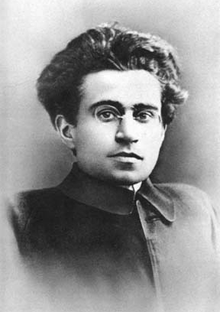
Antonio Gramsci came up with the idea of Hegemony, which refers to the predominance of one social class over others and the way in which those in power are able to maintain it. Hegemony means to look down upon an individuals social class over others. Hegemony moistly includes the ideologies that are created by the bourgeoisie which is also reinforced down and accepted by the working class. Moreover, linking this to music,  ideas such as love, family, money and working hard are repeated in the lyrics, so the audience is constantly hearing this without realising. So this is why working class and educated audiences are more likely to follow these ideas because they constantly hear them. The media want us to believe certain things, which is not as effective through music. For example, the media is likely to control what is broadcasted to viewers, what shows are censored and what shows are banned. As a result, many musicians self publish their music and video on sites that are widely accessible avoiding the media.


Theodor Adorno:
Theodor Adorno was a German socialist, he is a theorist from the Frankfurt school. He was popular for his theory which was divided between popular culture and true art. Adorno recon Popular culture by standardisation, as he believed that the masses intake popular culture for example, chart singles always include the same, mainstream artists with similar songs promoting similar themes and always from particular genres, such as Dance, Soul, Pop, contemporary R&B etc in the 'Top 10'. This results in niche artists and genres being excluded, with genres such as alternative, classical and Rock etc not being listened to by a mainstream audience. Adorno identified that 'true art' is at the top of the hierarchy and includes music from niche genres such as classical, opera and jazz and involves activities such as attending galleries and museums. 'True art' is associated with the bourgeoisie, which are the social class who's traditions matter most, as they appreciate 'true art', in comparison to 'popular culture' which is associated with the masses who do not understand what true art is, due to not having access to these forms of entertainment. This occurs as a result of the media's power, as they are able to influence the 'The Masses' in the way they portray music, entertainment etc, allowing them to think and adapt to the 'Popular Culture'. 


Frankfurt School:
The Frankfurt school was based in Germany in the 1920's, and they were the earliest version of the Neo Marxist theory. Max Horkheimer and Theodor Adorno are also two theorists from the Frankfurt school. They developed powerful analyses of the changes in Western capitalist societies that occurred since the classical theory of Marx. The school proposed the ‘Effects’ model, which considered society to be composed of isolated individuals who were gullible to media messages, they visualised the media as a ‘hypodermic syringe' suggesting that the contents of the media were injected into the thoughts of the audience, who accepted the attitudes, opinions and beliefs without question, highlighting that the audience is purely passive.This was also a result of there being no internet working at the same rapid pace as today, which meant that music and other forms of media was more controlled by the social elites as they had no other choice and was unable to argue otherwise.


Birmingham school:
Stuart hall who was a cultural theorist and sociologist attended the Birmingham school where he created his theory which was revolved around issues regarding hegemony and cultural studies, taking a post gramascianstance. His theory also included encoding and decoding:

  • Encoding- The process by which a text is constructed by its producers
  • Decoding- The way in which an audience reads, understands and interprets a text, Spectators will decode the text in a different way.
Hall points out that audiences will decode a product differently due to various factors, including demographics, psychographics, class or sub-cultures. Bourgeoisie will react to a media text differently than the masses. They can look down on a pop song but the masses are likely to accept and appreciate it and vice versa, the masses may not understand classical music but the bourgeoisie will be delighted and value it.


Dick Hebdige:
Dick Hebdige argues that consumption is an active process in which differences in audiences’ social and ideological construction which is lead to different readings of the same cultural products. He believed that the audience have a choice of whether to resist the power of large companies by finding alternative products to consume. This leads to the audience recognising themselves as different from the mainstream culture becoming subcultures. Companies attempt to assimilate this resistance attempting to provide products which these subcultures are more likely to consume. This results in the audience deciding whether to accept these products or to resit them. Certain artists also reflect subcultural values in the way they present themselves, which is supported by their niche genre of music, which are likely to appeal to a niche, subcultural audience. For example, 'Louis Amstrong' is a jazz artist, therefore, appeal more to the jazz audience. However, the media are more aware that subcultures are forming more commonly within society and are more valued, therefore, they promote niche artists more, by advertising their music and making them more recognised.

Conclusion:

Overall, by researching these theorists I’ve learnt about the different theories and how they could have an impact on my work. In my music video I will represent my artist as following the conventions that ‘the masses' are familiar with, as my music video will be targeted at the working class audience, due to them being the audience that listen to 'popular culture' in comparison to the middle class audience who listen to niche genres of music such as classical and opera, which they perceive as 'true art'. By ensuring that I follow the popular culture and make my artist look like existing mainstream artists such as Rihanna, Drake, Britney Spears, BeyoncĂ© etc, will enable my music video to gain popularity and allow the 'the masses' to form mainstream values and opinions about it. Therefore, I will ensure that I follow the popular culture theory by making my music video conventional and appealing to the working class audience.

Research: Star Image

Star image is the way an artist is represented to the audience, taking into consideration their image, in the way they look, dress and behave. Music video can help boost an artists career as when they produce music videos as they are bale to share their thoughts and feelings. It also helps an artist enhance their popularity, when they create music videos then their audience remembers the artist from the specific music video of their choice. Most importantly, a music videos helps the artist to build a relationship between their audience.

How a music video help an Artist with their career:

  • Makes the artist more popular - A successful music video can enhance an artist’s fame and popularity making them more famous in the music industry.
  • Shows the artist off to a mass audience - Without a music video, an artist may only be known by a small audience, whereas a music video that is available on numerous platforms such as Youtube, iTUBE, iTunes etc, is likely to show an artist off to a larger, audience, possibly making the artist globally or internationally successful.
  • Promotes the artists image - The way in which an artist is portrayed within their music video allows them to promote their image to the audience, giving them a sense of individuality and uniqueness. For example, Lady Gaga promotes a unique image through her different outfits.
  • Music videos live longer than an artist’s single - Once a music video has been uploaded onto media platforms and social networking sites it is unlikely that they will be removed, unless there are censorship issues, therefore, they are likely to receive many viewings over time, in comparison to an artist’s single which is unlikely to be listened to after the hype revolving it has dispersed.
  • Artist and audience build a relationship - A music video allows the artist to build a relationship with their audience as the audience feel closer to the artist and can relate to particular lyrics or narratives within the music video. This also allows the artist to build a fan base.

Case Study: Justin Bieber


The star image of Justin Bieber has changed over time as when he was known in 2010, he looked very cute and adorable, at the time he was main target audience was young teenage girls. Then in 2011 his hair style has canned which suggests that he is getting older and wants to be look more attractive. In 2012, his body is starting to change and become more fit, this indicates that as he is making a mature teenager, his target audience starts to change. Further on, in 2013 we see that he has tattoos on his body, this shows that he is a mature young adult. Therefore, his loyal audience has grown with him so is now daily targeting at older teenage girls. This timeline of his changing appearance suggests that his music has homage as well, at first he had no swearing in his lyrics and it was more charming to young girls, however, now he more exposed with his body and in his music videos, his star image has changed because his first album in 2010 was all about him and as he was young back then he made sure that he doesn't use promote any negative behaviour to his audience.


Justin Bieber - Baby (2007)

This music video is called, 'Baby' and this was Justin Biebers first music video. His target audience was teenage girls as they lyrics of his song where about love and teenage females. He had an innocent and sweetheart image and his action never showed bad behaviours. His singles were never sexy or based around hardcore relationships but having good times with friends and falling in love with his girlfriend.


Justin Bieber - What Do You Mean (2015)

In this music video called, 'What Do You Mean' we see a new developed Justin Bieber. His appearance become very sexual but in an aggressive way. His values suggested that you should be confident in yourself.ve and intimidating, and the lyrics become very confident and daring towards the opposite sex. As his values as changed, he is perceived as becoming more independent, and portrayed flirting suggesting that there was no harm in it at all. His target audience drifted to boys and girls in their late teenage years. His appearance also changed: he became more glamorous and sophisticated in a sexual way to attract attention from the opposite sex and to be admired by females.


Case Study: Miley Cyrus


Miley Cyrus was once an adorable Disney character however as she has become older her star image has changed and has affected her audience. When she first become popular, she targeted as a young children and young teenage girls as she never showed her skin in any outfit and even if she did it was appropriate for any occasion. As she grew to become a young adult her star image changed and this is shown from her appearance in the following images. In the third image her hair cut is changed, in this last image she is wearing a crop top and boxers, which suggests that she has grew out of being that cute and innocent young teenager. Miley changed her music and started working with trap rapper Juicy J and doing semi-nude shoots with Terry Richardson. Her performance with Robin Thicke at the VMA’s which she acted extremely sexual on stage.  This also shows her star image because when she was a Disney star, she was very calm on stage and her performances was appropriate for any ages to see it.


Miley Cyrus - Can't Be Tamed (2010)

In 2010, Miley released her song 'Cant be tamed' which differs from her previous songs as it promotes that she is becoming more rebellious and does not take the audiences opinions into consideration. She also wears less clothing, revealing her cleavage with the camera capturing her sexual assets through close up shots. She is perceived to be wearing more makeup, with highlights in her hair which also highlights that she is older.


The lyrics of the song are related to her life and the fact that she is ambitious and wants to be set free, the daring lyrics, " I can't be tamed, I can't be tamed, I can't be blamed" indicate Miley Cyrus's changing image, through the use of the repetition which also suggests that the artist is desperate to change. Her target audience drifted to older females from the ages of 17-21, who also felt they could relate to her situation. The close ups and long shots of the artist in the video highlights her developing stages into adolescence. Her dancing also involves more backing dancers making the video more daring. Her values within the video are that individuals should be free to do what they believe in, preventing them from being forced to do what others want.  

Miley Cyrus - Wrecking Ball (2013)

However, her music video 'Wrecking Ball' which was released in 2013 portrayed Miley Cyrus as changing completely, with her video evoking harsh criticism and controversy due to its inappropriate nature. Throughout the video Miley is seen to be sitting in a large ball, licking building tools such as hammers which are phallic imagery, relating to the artists sexuality. Moreover, she is perceived to be wearing minimal clothing, with the camera capturing her personal assets, which is supported by her bright red lipstick which symbolises love and lust reflecting Miley's personality. Her hair has also changed, becoming short and blonde which has supported her changing persona and image. Her dramatic change in image and behaviour has led to Miley's audience adapting from a mainstream audience to a niche audience, due to her behaviour not appealing to the younger audience. The younger audience would also be unable to relate to her, instead, perceiving her as a threat, due to her songs becoming more sexual and intimate rather than playful and light hearted.


Star image: Sexual reasons, political reasons, moral reasons and social reasons

Star image-Sexual
Macklemore - Same Love
Some people can use music videos to exploit or to feel comfortable with their sexuality. For example, Macklemore promote his support for the LGBT community by mentioning it in his song. For example, Macklemore released the song 'Same Love', which talks about legalising same-sex marriage.


Star image-Political
Green Day - American Idiot
Some artists, including Kanye West and George Michael use their music videos to promote their political views in order to spread awareness to a large audience informing and educating them about important, political issues. For example, Green day - American Idiot, the title refers to the state of the United States at that point in time. It speaks of a nation controlled by the new, biased media, and how the singer is not part of a "Redneck Agenda" discontent with how things are going. It was released during the 2004 presidential campaign, where George W. Bush was re-elected.


Star image-Moral
Jessie J - Price Tag
Particular artists use music videos to express their personal opinions on issues what they believe are important and have value. For example, Jessie J promotes his opinions about morals through the 'Price Tag' song using imagery to open the audiences eyes and to evoke emotion from them.


Star image-Social
Meghan Trainor - All About that Bass
Some artists simply use their music videos to represent a type of lifestyle or ideologies they believe in. For example, Meghan Trainor promote her ideologies in her lyrics saying that she is proud to not be prefect and have a iconic body shape, where the audience relate to and appreciate. 


Conclusion:
Star image is very important because it allows the audience to see who the artist is changing over time, this also shows the artist as a growing individual and this could be shown from the way they are dressed, the way an artist starts to act towards life. When producing my music video, I am planning to represent star image as a successful artist, as I will have decided to create a niche music video. I will make sure that my artist wears clothes that are conventional to the Alternative Rock genre music videos e.g. black leather jacket, black boots etc. This is important as the audience are likely to judge based on first appearances, therefore, it is beneficial to portray the artist/band through their image, expressing their persona to their target audience. Moreover, I want my artist/ band to maintain continuity, ensuring they do not change their image dramatically overtime resulting in them becoming a controversial subject within the music industry, like other artists such as Kylie Minogue and Miley Cyrus who are criticised for their dramatic transformation. Instead I want my artist to be portrayed as mainstream and niche, relating to a wider audience which can be done, as they can be represented as fullfiing a stereotypical image through their character however, maintaining originality within all of their music videos.

Research: Dyer’s ‘Star Theory’

What is Star Theory?

Star refers to the set of meanings constructed around singers in order to sell their music to a mainstream or loyal audience, but mainly mainstream and it means more money. Star theory differs from star image as star theory is applied to pop stars and suggests that a star is an image and not a real person, as they are constructed are institutions for financial gain and audience appeal. The stars are constructed through a range of media such as magazines, and advertising.


Who is Richard Dyer and what does he say?

Richard Dyer is is British media theorist and constructed the 'Star theory' claiming that...


- " Star image is "incoherent, incomplete and 'open'..." - He claims this because it is based on two key paradoxes which includes:


- "The star must be simultaneously ordinary and extroadinary for the consumer"- This paradox means that the star must be ordinary so that the audience can relate to them, but they m
ust also possess an extraordinary quality or talent so the public can idolise them. For example, Gwen Stefani is ordinary as she is a mom with three kids, however, she is extraordinary as she has a unique voice, making her an idol in the public eye.

&

- "The star must be simultaneously present and absent for the consumer"- This suggests that the artist must be present in the audiences life through their appearance on TV, social media and through their merchandise, however absent in a way they are 'out of reach' and not actually there. The stars absence also suggests that they should not continuously be in the public eye as this could be tedious for the audience, instead, a lack of presence is likely to make the audience anticipate the stars next actions. For example, One Direction are a key artists that is part of young children and teenagers lives, they are likely to own their posters, merchandise such as perfumes and calendars. 


What is the difference between a performer and a pop star?  

Duffy
Rihanna
 There is a difference between a performer and a pop star, a Performer may or may not be famous, but can perform music. Whereas a pop star has an image which is completely constructed to an audience. An artist which is a performer and not a star is someone like Duffy, she is not known very well but she is an amazing singer which lacks ultimate fame, as she is not globally successful or recognised by a mass audience. On the other hand, a pop star is an artist who is famous and performs to mass audiences. A true pop star does have a lasting significance and has a 'brand awareness' amongst a wider market over a period of time. For example, Rihanna has become a brand through the use of synergy, promoting her perfume, calendars, adverts etc. As a result, a pop stars image is constructed to an audience.


Dyer has identified four key elements to recognising a star:

  • Star theory - Stars as constructions:


Richard Dyer states that the star is a construction and not a real person. This helps selling their image to a unique selling point. Film stars have their image based on roles they have in films. Music stars have more of an advantage over film stars because they are freer in expressing themselves, which could be dangerous at the same time. For example, being too explicit or controversial in their music video can offend audiences, making them lose their fan base. X Factor is a prime example of showing us the supposed construction process. This shows how an ordinary person can groomed, styled, coached and formed into a ‘Star’ or a record company and build their market expectations.

 
A prime example is the band One Direction. They came into the X factor competition as solo artists in 2010 and was put together as a boy band. The five boys didn’t know who each other were, they were complete strangers. They were put into a band to create a cute, attractive, jolly boy band who will attract a huge teenage fan base who are mainly girls. They blew up in the UK and was constructed into extremely attractive young boys who appeal to young teenage girls.


  • Star theory - Industry and audience:


Stars are manufactured to serve the purpose of making money out of the audience by ensuring that they buy the artists records and become loyal fans. Pop stars are shaped by their record companies, as they are quite clearly the product of their record company and must be sold However, Lady GaGa is a very controversial character as she is very clear with her audience. She acts how she wants without worrying if her audience will judge her. Dyer believe that if an artist acts themselves then the industry will love them. Lady GaGa is an artist that likes to experiment and try new ideas which helps her to grab the public. When she increases her fan base, this helps her record company to manufacture Lady GaGa again and again. For example, her fashion style entertained the audience because she had done something very weird which was different to the audience. 


  • Star theory - Ideology and culture:


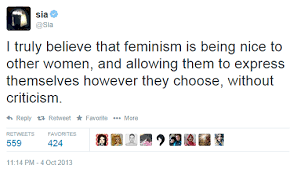
Stars represent attitudes from their own beliefs and cultural values, and promote a certain ideology they believe and agree which create their own star persona. Audience interest in these values enhance their ‘star quality’. Social networks give pop stars the opportunity to establish their own values outside their music. For example, Sia tweets frequently about Feminism issues, and expects his fans to engage with that discourse just as much as she expects them to listen to his music.

  • Star theory - Character and personality:


Dyer also suggests that stars are transformed into different personalities and they also need to have a range of different characters. This is important because this will help the artist to have a connection with their audience. Stars provide the audience with the idea of 'what people are supposed to be like' and may support hegemony (dominant cultural ideology) by conforming to it (thin/beautiful) or providing difference (fat/still lovable). For example, certain  artists  like Jennifer Lopez, Alicia Keys, Rihanna and Arianna Grande provide the audience with the idea of 'what people are supposed to be like' due to their appearances, as they have the ideal 'bodies' encouraging all girls to portray them as role models, and trying to reflect their appearances. This links to hegemony as the media promote this, encouraging all girls to conform to the cultural ideology of looking thin and beautiful. However, other stars promote a difference such as Adele who are portrayed as 'chubby and loveable' going against hegemony, and suggesting that it is acceptable and normal to be different.

How much control do artists/band have on star image?

 In my opinion, I believe for a star to be successful in the long run, they need their image to be constructed by a manager figure. For them to build their career and gain a secure/loyal audience, at the beginning they have no power over their image in order to be successful and become as famous as they want to be. Once a star has been in the industry for a while and has secured a large fan base, they can have their star image in their own hands and make their own identity because they have the power.

Conclusion:


Dyer's theory is important as it determines how an artists success is a result of their image being constructed to benefit their success, the music industry and to appeal to the audience. This theory is important because it represents how famous people are formed to entertain the world, such as: Katy Perry, Rihanna, BeyoncĂ©, Selena Gomez, etc. This theory shows true colours to artists and expresses their inner thoughts or how fake they can be. However, I want my artist in my music video to show character and personality. I would like to show a real situation with inner feelings being expressed so audiences can relate to the music video and think about the events happening in the narrative of the music video. I don’t want to be mainstream with the typical visuals of men wanting to have sex with women and women disrespecting themselves by dancing in a sexual manner, I want something different and unique within my artist. I want the artist to be naked, but not being unclothed, being real within themselves through the music video. In my music video I would like the artist to show character and personality within their music video, whether in a happy manner or not.