Showing posts with label Research. Show all posts

Thursday, 10 November 2016

Research: Popular Theory


It’s important to understand theories and the theorists who made them because we as an audience don’t actually understand the background to why music is how it is today. Their research gives the audience an insight into why certain decisions or characteristics associated with music videos are made. Theorists are also knowledgeable and have a great understanding about the topic they have researched, therefore, their theory is likely to be useful and effective. I will be drawing on the 'Popular culture' theory, Antonio Gramsci's Hegemony theory, the Frankfurt school, Theodor Adorno's theory, the Birmingham School, and Dick Hebdige's theory. Each theory has a unique understanding, although some theorists have similar opinions regarding 'popular culture'. Each theorist clarifies how the music industry is perceived from their perspectives, as they identify the division in class and how this has an impact on society.


Popular Culture Theory:

Popular culture is the understanding of ideas and attitudes of the mainstream culture in society which has a large influence upon the audience. Popular culture became mainstream in the 1980’s and was influenced by working class citizens also known as 'The Masses', through media such as music, arts, films and fashions which are all platforms for popular culture in today's society.  Whereas, the middle class citizens in society follow 'true art' and supposedly look down on the masses. Mainly our generation follow the popular culture due to how much it relates to our lifestyle. The popular culture theory says that popular music uses slang, imitates our lifestyle and can relate to us as teenagers/young adults. For example, Madonna is highly regarded in the music industry and portrayed as the 'Queen of Pop' in the media, which led to the masses believing this, and as a result, they perceive Madonna as the 'Queen of Pop' which proves that popular culture exists in society and within the music industry.

Antonio Gramsci:
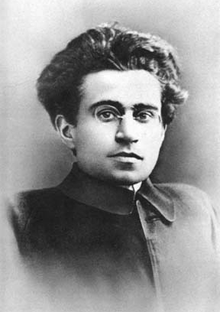
Antonio Gramsci came up with the idea of Hegemony, which refers to the predominance of one social class over others and the way in which those in power are able to maintain it. Hegemony means to look down upon an individuals social class over others. Hegemony moistly includes the ideologies that are created by the bourgeoisie which is also reinforced down and accepted by the working class. Moreover, linking this to music,  ideas such as love, family, money and working hard are repeated in the lyrics, so the audience is constantly hearing this without realising. So this is why working class and educated audiences are more likely to follow these ideas because they constantly hear them. The media want us to believe certain things, which is not as effective through music. For example, the media is likely to control what is broadcasted to viewers, what shows are censored and what shows are banned. As a result, many musicians self publish their music and video on sites that are widely accessible avoiding the media.


Theodor Adorno:
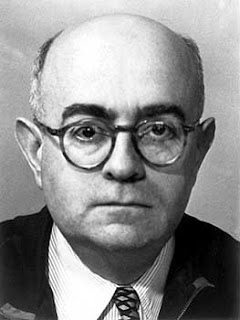
Theodor Adorno was a German socialist, he is a theorist from the Frankfurt school. He was popular for his theory which was divided between popular culture and true art. Adorno recon Popular culture by standardisation, as he believed that the masses intake popular culture for example, chart singles always include the same, mainstream artists with similar songs promoting similar themes and always from particular genres, such as Dance, Soul, Pop, contemporary R&B etc in the 'Top 10'. This results in niche artists and genres being excluded, with genres such as alternative, classical and Rock etc not being listened to by a mainstream audience. Adorno identified that 'true art' is at the top of the hierarchy and includes music from niche genres such as classical, opera and jazz and involves activities such as attending galleries and museums. 'True art' is associated with the bourgeoisie, which are the social class who's traditions matter most, as they appreciate 'true art', in comparison to 'popular culture' which is associated with the masses who do not understand what true art is, due to not having access to these forms of entertainment. This occurs as a result of the media's power, as they are able to influence the 'The Masses' in the way they portray music, entertainment etc, allowing them to think and adapt to the 'Popular Culture'. 


Frankfurt School:
The Frankfurt school was based in Germany in the 1920's, and they were the earliest version of the Neo Marxist theory. Max Horkheimer and Theodor Adorno are also two theorists from the Frankfurt school. They developed powerful analyses of the changes in Western capitalist societies that occurred since the classical theory of Marx. The school proposed the ‘Effects’ model, which considered society to be composed of isolated individuals who were gullible to media messages, they visualised the media as a ‘hypodermic syringe' suggesting that the contents of the media were injected into the thoughts of the audience, who accepted the attitudes, opinions and beliefs without question, highlighting that the audience is purely passive.This was also a result of there being no internet working at the same rapid pace as today, which meant that music and other forms of media was more controlled by the social elites as they had no other choice and was unable to argue otherwise.


Birmingham school:
Stuart hall who was a cultural theorist and sociologist attended the Birmingham school where he created his theory which was revolved around issues regarding hegemony and cultural studies, taking a post gramascianstance. His theory also included encoding and decoding:

  • Encoding- The process by which a text is constructed by its producers
  • Decoding- The way in which an audience reads, understands and interprets a text, Spectators will decode the text in a different way.
Hall points out that audiences will decode a product differently due to various factors, including demographics, psychographics, class or sub-cultures. Bourgeoisie will react to a media text differently than the masses. They can look down on a pop song but the masses are likely to accept and appreciate it and vice versa, the masses may not understand classical music but the bourgeoisie will be delighted and value it.


Dick Hebdige:
Dick Hebdige argues that consumption is an active process in which differences in audiences’ social and ideological construction which is lead to different readings of the same cultural products. He believed that the audience have a choice of whether to resist the power of large companies by finding alternative products to consume. This leads to the audience recognising themselves as different from the mainstream culture becoming subcultures. Companies attempt to assimilate this resistance attempting to provide products which these subcultures are more likely to consume. This results in the audience deciding whether to accept these products or to resit them. Certain artists also reflect subcultural values in the way they present themselves, which is supported by their niche genre of music, which are likely to appeal to a niche, subcultural audience. For example, 'Louis Amstrong' is a jazz artist, therefore, appeal more to the jazz audience. However, the media are more aware that subcultures are forming more commonly within society and are more valued, therefore, they promote niche artists more, by advertising their music and making them more recognised.

Conclusion:

Overall, by researching these theorists I’ve learnt about the different theories and how they could have an impact on my work. In my music video I will represent my artist as following the conventions that ‘the masses' are familiar with, as my music video will be targeted at the working class audience, due to them being the audience that listen to 'popular culture' in comparison to the middle class audience who listen to niche genres of music such as classical and opera, which they perceive as 'true art'. By ensuring that I follow the popular culture and make my artist look like existing mainstream artists such as Rihanna, Drake, Britney Spears, BeyoncĂ© etc, will enable my music video to gain popularity and allow the 'the masses' to form mainstream values and opinions about it. Therefore, I will ensure that I follow the popular culture theory by making my music video conventional and appealing to the working class audience.

Research: Star Image

Star image is the way an artist is represented to the audience, taking into consideration their image, in the way they look, dress and behave. Music video can help boost an artists career as when they produce music videos as they are bale to share their thoughts and feelings. It also helps an artist enhance their popularity, when they create music videos then their audience remembers the artist from the specific music video of their choice. Most importantly, a music videos helps the artist to build a relationship between their audience.

How a music video help an Artist with their career:

  • Makes the artist more popular - A successful music video can enhance an artist’s fame and popularity making them more famous in the music industry.
  • Shows the artist off to a mass audience - Without a music video, an artist may only be known by a small audience, whereas a music video that is available on numerous platforms such as Youtube, iTUBE, iTunes etc, is likely to show an artist off to a larger, audience, possibly making the artist globally or internationally successful.
  • Promotes the artists image - The way in which an artist is portrayed within their music video allows them to promote their image to the audience, giving them a sense of individuality and uniqueness. For example, Lady Gaga promotes a unique image through her different outfits.
  • Music videos live longer than an artist’s single - Once a music video has been uploaded onto media platforms and social networking sites it is unlikely that they will be removed, unless there are censorship issues, therefore, they are likely to receive many viewings over time, in comparison to an artist’s single which is unlikely to be listened to after the hype revolving it has dispersed.
  • Artist and audience build a relationship - A music video allows the artist to build a relationship with their audience as the audience feel closer to the artist and can relate to particular lyrics or narratives within the music video. This also allows the artist to build a fan base.

Case Study: Justin Bieber


The star image of Justin Bieber has changed over time as when he was known in 2010, he looked very cute and adorable, at the time he was main target audience was young teenage girls. Then in 2011 his hair style has canned which suggests that he is getting older and wants to be look more attractive. In 2012, his body is starting to change and become more fit, this indicates that as he is making a mature teenager, his target audience starts to change. Further on, in 2013 we see that he has tattoos on his body, this shows that he is a mature young adult. Therefore, his loyal audience has grown with him so is now daily targeting at older teenage girls. This timeline of his changing appearance suggests that his music has homage as well, at first he had no swearing in his lyrics and it was more charming to young girls, however, now he more exposed with his body and in his music videos, his star image has changed because his first album in 2010 was all about him and as he was young back then he made sure that he doesn't use promote any negative behaviour to his audience.


Justin Bieber - Baby (2007)

This music video is called, 'Baby' and this was Justin Biebers first music video. His target audience was teenage girls as they lyrics of his song where about love and teenage females. He had an innocent and sweetheart image and his action never showed bad behaviours. His singles were never sexy or based around hardcore relationships but having good times with friends and falling in love with his girlfriend.


Justin Bieber - What Do You Mean (2015)

In this music video called, 'What Do You Mean' we see a new developed Justin Bieber. His appearance become very sexual but in an aggressive way. His values suggested that you should be confident in yourself.ve and intimidating, and the lyrics become very confident and daring towards the opposite sex. As his values as changed, he is perceived as becoming more independent, and portrayed flirting suggesting that there was no harm in it at all. His target audience drifted to boys and girls in their late teenage years. His appearance also changed: he became more glamorous and sophisticated in a sexual way to attract attention from the opposite sex and to be admired by females.


Case Study: Miley Cyrus


Miley Cyrus was once an adorable Disney character however as she has become older her star image has changed and has affected her audience. When she first become popular, she targeted as a young children and young teenage girls as she never showed her skin in any outfit and even if she did it was appropriate for any occasion. As she grew to become a young adult her star image changed and this is shown from her appearance in the following images. In the third image her hair cut is changed, in this last image she is wearing a crop top and boxers, which suggests that she has grew out of being that cute and innocent young teenager. Miley changed her music and started working with trap rapper Juicy J and doing semi-nude shoots with Terry Richardson. Her performance with Robin Thicke at the VMA’s which she acted extremely sexual on stage.  This also shows her star image because when she was a Disney star, she was very calm on stage and her performances was appropriate for any ages to see it.


Miley Cyrus - Can't Be Tamed (2010)

In 2010, Miley released her song 'Cant be tamed' which differs from her previous songs as it promotes that she is becoming more rebellious and does not take the audiences opinions into consideration. She also wears less clothing, revealing her cleavage with the camera capturing her sexual assets through close up shots. She is perceived to be wearing more makeup, with highlights in her hair which also highlights that she is older.


The lyrics of the song are related to her life and the fact that she is ambitious and wants to be set free, the daring lyrics, " I can't be tamed, I can't be tamed, I can't be blamed" indicate Miley Cyrus's changing image, through the use of the repetition which also suggests that the artist is desperate to change. Her target audience drifted to older females from the ages of 17-21, who also felt they could relate to her situation. The close ups and long shots of the artist in the video highlights her developing stages into adolescence. Her dancing also involves more backing dancers making the video more daring. Her values within the video are that individuals should be free to do what they believe in, preventing them from being forced to do what others want.  

Miley Cyrus - Wrecking Ball (2013)

However, her music video 'Wrecking Ball' which was released in 2013 portrayed Miley Cyrus as changing completely, with her video evoking harsh criticism and controversy due to its inappropriate nature. Throughout the video Miley is seen to be sitting in a large ball, licking building tools such as hammers which are phallic imagery, relating to the artists sexuality. Moreover, she is perceived to be wearing minimal clothing, with the camera capturing her personal assets, which is supported by her bright red lipstick which symbolises love and lust reflecting Miley's personality. Her hair has also changed, becoming short and blonde which has supported her changing persona and image. Her dramatic change in image and behaviour has led to Miley's audience adapting from a mainstream audience to a niche audience, due to her behaviour not appealing to the younger audience. The younger audience would also be unable to relate to her, instead, perceiving her as a threat, due to her songs becoming more sexual and intimate rather than playful and light hearted.


Star image: Sexual reasons, political reasons, moral reasons and social reasons

Star image-Sexual
Macklemore - Same Love
Some people can use music videos to exploit or to feel comfortable with their sexuality. For example, Macklemore promote his support for the LGBT community by mentioning it in his song. For example, Macklemore released the song 'Same Love', which talks about legalising same-sex marriage.


Star image-Political
Green Day - American Idiot
Some artists, including Kanye West and George Michael use their music videos to promote their political views in order to spread awareness to a large audience informing and educating them about important, political issues. For example, Green day - American Idiot, the title refers to the state of the United States at that point in time. It speaks of a nation controlled by the new, biased media, and how the singer is not part of a "Redneck Agenda" discontent with how things are going. It was released during the 2004 presidential campaign, where George W. Bush was re-elected.


Star image-Moral
Jessie J - Price Tag
Particular artists use music videos to express their personal opinions on issues what they believe are important and have value. For example, Jessie J promotes his opinions about morals through the 'Price Tag' song using imagery to open the audiences eyes and to evoke emotion from them.


Star image-Social
Meghan Trainor - All About that Bass
Some artists simply use their music videos to represent a type of lifestyle or ideologies they believe in. For example, Meghan Trainor promote her ideologies in her lyrics saying that she is proud to not be prefect and have a iconic body shape, where the audience relate to and appreciate. 


Conclusion:
Star image is very important because it allows the audience to see who the artist is changing over time, this also shows the artist as a growing individual and this could be shown from the way they are dressed, the way an artist starts to act towards life. When producing my music video, I am planning to represent star image as a successful artist, as I will have decided to create a niche music video. I will make sure that my artist wears clothes that are conventional to the Alternative Rock genre music videos e.g. black leather jacket, black boots etc. This is important as the audience are likely to judge based on first appearances, therefore, it is beneficial to portray the artist/band through their image, expressing their persona to their target audience. Moreover, I want my artist/ band to maintain continuity, ensuring they do not change their image dramatically overtime resulting in them becoming a controversial subject within the music industry, like other artists such as Kylie Minogue and Miley Cyrus who are criticised for their dramatic transformation. Instead I want my artist to be portrayed as mainstream and niche, relating to a wider audience which can be done, as they can be represented as fullfiing a stereotypical image through their character however, maintaining originality within all of their music videos.

Research: Dyer’s ‘Star Theory’

What is Star Theory?

Star refers to the set of meanings constructed around singers in order to sell their music to a mainstream or loyal audience, but mainly mainstream and it means more money. Star theory differs from star image as star theory is applied to pop stars and suggests that a star is an image and not a real person, as they are constructed are institutions for financial gain and audience appeal. The stars are constructed through a range of media such as magazines, and advertising.


Who is Richard Dyer and what does he say?

Richard Dyer is is British media theorist and constructed the 'Star theory' claiming that...


- " Star image is "incoherent, incomplete and 'open'..." - He claims this because it is based on two key paradoxes which includes:


- "The star must be simultaneously ordinary and extroadinary for the consumer"- This paradox means that the star must be ordinary so that the audience can relate to them, but they m
ust also possess an extraordinary quality or talent so the public can idolise them. For example, Gwen Stefani is ordinary as she is a mom with three kids, however, she is extraordinary as she has a unique voice, making her an idol in the public eye.

&

- "The star must be simultaneously present and absent for the consumer"- This suggests that the artist must be present in the audiences life through their appearance on TV, social media and through their merchandise, however absent in a way they are 'out of reach' and not actually there. The stars absence also suggests that they should not continuously be in the public eye as this could be tedious for the audience, instead, a lack of presence is likely to make the audience anticipate the stars next actions. For example, One Direction are a key artists that is part of young children and teenagers lives, they are likely to own their posters, merchandise such as perfumes and calendars. 


What is the difference between a performer and a pop star?  

Duffy
Rihanna
 There is a difference between a performer and a pop star, a Performer may or may not be famous, but can perform music. Whereas a pop star has an image which is completely constructed to an audience. An artist which is a performer and not a star is someone like Duffy, she is not known very well but she is an amazing singer which lacks ultimate fame, as she is not globally successful or recognised by a mass audience. On the other hand, a pop star is an artist who is famous and performs to mass audiences. A true pop star does have a lasting significance and has a 'brand awareness' amongst a wider market over a period of time. For example, Rihanna has become a brand through the use of synergy, promoting her perfume, calendars, adverts etc. As a result, a pop stars image is constructed to an audience.


Dyer has identified four key elements to recognising a star:

  • Star theory - Stars as constructions:


Richard Dyer states that the star is a construction and not a real person. This helps selling their image to a unique selling point. Film stars have their image based on roles they have in films. Music stars have more of an advantage over film stars because they are freer in expressing themselves, which could be dangerous at the same time. For example, being too explicit or controversial in their music video can offend audiences, making them lose their fan base. X Factor is a prime example of showing us the supposed construction process. This shows how an ordinary person can groomed, styled, coached and formed into a ‘Star’ or a record company and build their market expectations.

 
A prime example is the band One Direction. They came into the X factor competition as solo artists in 2010 and was put together as a boy band. The five boys didn’t know who each other were, they were complete strangers. They were put into a band to create a cute, attractive, jolly boy band who will attract a huge teenage fan base who are mainly girls. They blew up in the UK and was constructed into extremely attractive young boys who appeal to young teenage girls.


  • Star theory - Industry and audience:


Stars are manufactured to serve the purpose of making money out of the audience by ensuring that they buy the artists records and become loyal fans. Pop stars are shaped by their record companies, as they are quite clearly the product of their record company and must be sold However, Lady GaGa is a very controversial character as she is very clear with her audience. She acts how she wants without worrying if her audience will judge her. Dyer believe that if an artist acts themselves then the industry will love them. Lady GaGa is an artist that likes to experiment and try new ideas which helps her to grab the public. When she increases her fan base, this helps her record company to manufacture Lady GaGa again and again. For example, her fashion style entertained the audience because she had done something very weird which was different to the audience. 


  • Star theory - Ideology and culture:


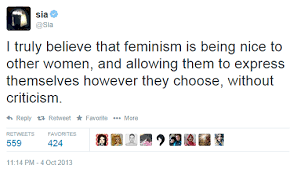
Stars represent attitudes from their own beliefs and cultural values, and promote a certain ideology they believe and agree which create their own star persona. Audience interest in these values enhance their ‘star quality’. Social networks give pop stars the opportunity to establish their own values outside their music. For example, Sia tweets frequently about Feminism issues, and expects his fans to engage with that discourse just as much as she expects them to listen to his music.

  • Star theory - Character and personality:


Dyer also suggests that stars are transformed into different personalities and they also need to have a range of different characters. This is important because this will help the artist to have a connection with their audience. Stars provide the audience with the idea of 'what people are supposed to be like' and may support hegemony (dominant cultural ideology) by conforming to it (thin/beautiful) or providing difference (fat/still lovable). For example, certain  artists  like Jennifer Lopez, Alicia Keys, Rihanna and Arianna Grande provide the audience with the idea of 'what people are supposed to be like' due to their appearances, as they have the ideal 'bodies' encouraging all girls to portray them as role models, and trying to reflect their appearances. This links to hegemony as the media promote this, encouraging all girls to conform to the cultural ideology of looking thin and beautiful. However, other stars promote a difference such as Adele who are portrayed as 'chubby and loveable' going against hegemony, and suggesting that it is acceptable and normal to be different.

How much control do artists/band have on star image?

 In my opinion, I believe for a star to be successful in the long run, they need their image to be constructed by a manager figure. For them to build their career and gain a secure/loyal audience, at the beginning they have no power over their image in order to be successful and become as famous as they want to be. Once a star has been in the industry for a while and has secured a large fan base, they can have their star image in their own hands and make their own identity because they have the power.

Conclusion:


Dyer's theory is important as it determines how an artists success is a result of their image being constructed to benefit their success, the music industry and to appeal to the audience. This theory is important because it represents how famous people are formed to entertain the world, such as: Katy Perry, Rihanna, BeyoncĂ©, Selena Gomez, etc. This theory shows true colours to artists and expresses their inner thoughts or how fake they can be. However, I want my artist in my music video to show character and personality. I would like to show a real situation with inner feelings being expressed so audiences can relate to the music video and think about the events happening in the narrative of the music video. I don’t want to be mainstream with the typical visuals of men wanting to have sex with women and women disrespecting themselves by dancing in a sexual manner, I want something different and unique within my artist. I want the artist to be naked, but not being unclothed, being real within themselves through the music video. In my music video I would like the artist to show character and personality within their music video, whether in a happy manner or not.

Research: Subcultures

Sub- cultures is a group of people that stands out from the mainstream or challenges the dominant ideology. They tend to choose to personally reject it and live by their own standards, they live the way they want to live. There are many subcultures that are identified through different behaviours, dress code, psycho-graphics and self-images. People of similar traits will be grouped together to create one sub-culture which allows people meet like minded individuals and feel accepted in a society where people are so used to living up to the label of mainstream and ‘normal’. Here are some example of sub-cultures:

Emo broke out in popularity in the early 2000s, however the subculture has been around since 1980s. The term for the teenagers who listen emo-core is emo kids. The society thinks about them as failures; they are not strong enough to hide their emotions, they're sensitive, shy, introverted, and often quiet. Usually, Emo kids like to express their feeling writing poems about their problems with depression, confusion, and anger; all because the world fails to understand them.


Bikers are also a sub-culture; bikers are mainly British males that are proudly stated. Bikers have a passion on what they do such as heavy machines, they also listen to rock  and metal music. They usually wear black leather clothing and also they love having tattoos. 

Hippies were one of the first music subcultures that gained notoriety. They were more than just a subculture, as they created an entire movement.
Hippies listened to psychedelic rock and also experimented with psychedelic drugs. They influenced society and culture in a large way and they continue to have an affect today. For example, music festivals are the perfect example of the influence hippie culture still has on society. Hippies loved wearing unusual fashion clothing such as sported bell-bottom jeans, vests, tie-dyed clothes and headscarves. Most hippies were pacifists who promoted peace, homosexual rights, feminism, and other aspects of civil rights.

Punks are one of the most well-known subcultures created by musical genres. The punk subculture was formed in the US and the UK in the mid 1970s. The punk subculture, is of course, centered around punk rock music. The music and the subculture are known for anti-establishment ideals and belief in independent freedoms. Aside from the distinct sound associated with punks, they are also known for their fashion. One way they buck the system is through body modification, tattoos, spikes, Mohawks, and lots of black.


Skinheads have their own religious beliefs, they are mainly British and Christian males that are uneducated. They listen to reggae music, these males are from low working class backgrounds. They stand out as they shave all of their hair off and do not talk to any other individual from another religion.


 Example of subcultures of music include: 
  • Ledzepelin
  • ACDC
  • Sex pistols
  • The Darkness
  • Pink Floyd
  • The Dash
  • Green Day
  • Red hot chilli peppers

These bands are all subcultures as each band member is likely to hold the same norms and values and their target audience is very selective and tend to have similar norms and values as the artist, therefore they can relate to the band and to their music.


McCraken:

McCracken said that the world was full of diversity, dynamism and creativity. He believed that sub-cultures come from different cultures as for the people and time difference.This is similar to the Birmingham school which also assumes that all subcultures come from one culture, which is the reaction and rejection to mainstream culture. These individuals reject the values of the mainstream and therefore rebel, forming their own subcultures and abiding by their own values.

Hebdige:

Dick Hebdige said that, 'Members of a subculture often signal their membership through a distinctive and symbolic use of style, which includes fashions, mannerisms, and language.' This means that there is a resistance against the mainstream although and as there are many subcultures they are all the same, from the same culture.

Subcultures and historical times in relation to music:

Many argue that cultural music taste depended on the historical time and structure of social, economic and political change.  
  • 1950's - Rock 'n' rollers, Beatniks and Teddy boys
  • 1960's - Surfers, Rudeboys, Mods, Hippies, Bikers
  • 1970's - Skinheads, soul boys, rastas, glam rockers, funksters and punks
  • 1980's - heavy metal, hip-hop, casual, goth, rave and clubber styles.
  • 1990's & beyond - distinctive blends of fashion and music have become a defining feature of the cultural landscape which depends on 'what's cool and what social group you fit into"


How does the industry now target audiences?

In today's society, music industry targets their audiences depending on their genre. The industry considers the audiences likes and interests and how the music could appeal to them.By identifying gaps in the market, the industry is trying to cater for and appeal to all audiences by having a variety of artists from different genres. These methods are used to engage the target audience and keep the interested, preventing them from losing interest.


Current day in relation to Hebdige: 
  • consuming music is a process that differs from person to person
  • can like one thing but different reasons


Current day in relation to Dyers theory:
  •  shared cultural values
  • fans support the star


Conclusion:

Through my research I have learnt that music videos can be targeted at specific subcultures, according to the genre of the song and the representation of the artists. I agree with Hebdige that subcultures exist as individuals have different tastes of music according to their lifestyles, hobbies, social backgrounds etc. All these factors determine an individual’s likes and their interpretations. I will ensure, for my music video genre, that I do not use costumes, iconography or a song that is targeted at one specific subculture as this is likely to limit my target audience, and limit the amount of views my music videos receive. However, I am aware that my music video will not appeal to certain subcultures due to them having their own values and enjoying specific genres of music. Therefore, I know my music video will not be viewed by the majority, although I will ensure I try to make it appeal to a large amount of people.

Wednesday, 9 November 2016

Research: Intertextuality

The meaning of Intertextually is when a reference is made about other films, TV shows, celebrities, and it can be shown to the audience by the lyrics or the visuals of the music videos. Artists use intertextuality in their music videos to make specific references to specific events, people or films that they feel a connection to or they would want to express their own opinion and feelings. Certain artists do this to enhances the popularity of the artist because making a reference to films will increase the viewing of the music video. The use of intertextual reference also impacts the music video and the reaction from the audience, as they are able to form opinions based on the references, depending on whether they are positive or negative.

Example of music video with intertextual references:


Iggy azalea - Fancy

This music video reference 'Clueless' (1995) movie.  The use of mise en scene are all used to recreate the look of the film. In the music video the costumes are all 90's inspired teen outfits. They feature a lot of colourful and layered items. Mini-skirts and crop tops with knee high socks appear heavily throughout the extras and main characters. Iggy is well known for being curvy and having long blonde hair. Therefore, making her the perfect match for the main character in the movie ‘Clueless’. The music video features shots of fancy cars in LA which is popular with pop music videos as it gives the impression of a desirable lifestyle. For the main part, the music video was set in a high school. The school that they used in the video was the exact same school that they used in the movie 'Clueless'. This reinforces the connection between the two media products. The hallways and classrooms that have been used in the video are brightly coloured with light artificial lighting. Iggy and Charlie show a lot of confidence when singing and dancing. Their performance is meant to portray popular characters that run the school, again similar to the movie Clueless.


Eminem - Just Lose It

In Eminem’s music video there are many intertextual references present. A lot of references were made towards Michael Jackson, as Eminem is dressed as him in various scenes in the video. For example, at the beginning Eminem moon-walks down the side which refers to one of the most iconic music video of Michael Jacksons – Billie Jean, and his nose falls off which mocks his plastic surgery. The video also makes important references to his film ‘8 mile’, which is a way of promoting the movie. Moreover, there are various scenes where Eminem is dressed as another celebrity, such as Michael Jackson, Mc Hammer, Madonna and Elvis. In each of these scenes, Eminem performs something which is well known of that celebrity, for example; when dressed as MC Hammer he copies the dance to his song ‘Hammer Time’ and when dressed as Elvis he appears on a toilet which is where he apparently died, or Michael Jackson’s child molestation trial, this generated huge controversy and also contained intertextual references, such as the bad Santa film. The way in which Eminem was promoted as an artist during this video, was not only by his own lyrics referring to previous songs, but there were a few links to his film ‘8 mile’ and the use of many celebrities highlighted his importance and status in the industry. Some of the parodies in his videos portray him to be quite harsh, however the comedy effect makes him likeable as an artist and also proves him to be a more realistic and grounded singer. This sense of ‘realism’ is conveyed in many of his songs and music videos, relating to his past and background, creating a truthful relationship between him and his fans.   


Imagine Dragons - On Top of the World

In this music video from Imagine Dragons - On top Of the World there are different intertextual references about the Beatles, the movie 'Shining' and  the conspiracy of the fake moon landing. Through the use of iconography, costume, setting and other mise en scene we can see that the music video touch upon different interetexrtual ideas. First of all, we see a kid riding a bicycle referring the young actor in the movie 'The Shining', then there is  medium close up of the artist and the background has the same pattern and colour of the pavement of the movie. Moreover, there is another medium close up of the other artist wearing head band referring to the hippie culture which was quite popular during the 60's & 70's. Furthermore as the video proceed a slow motion is used to emphasises the characters walking in a line referring to the famous album cover of the Beatles 'Abbey Road'. Additionally, we see the characters getting reading by wearing the astronaut suit and leaving the audience with suspense. Then we realise that it was all an imitation of the band recreating the moon landing of the Apollo 11. 


Why is Intertextual reference used and why might it appeal to an audience?

Intertextual references may be used within music videos for various reasons, including
artists portraying their personal opinions and morals to the audience, wanting them to be publicly advertised in order to create a response from the media and influencing the audiences opinions. These influences and morals may be negative or positive. This may appeal to an audience as it is likely to entertain them and evoke humour from them, if the references are portrayed in a funny manner. 

Criticisms of Intertextual references


Offensive - If intertextual references are negatively displayed or associated with other artists they could be recognised as offensive by the audience and other artists. For example, Eminem - 'Just Lose It' contains intertextual references associated with Michael Jackson's nose and and Elvis Presley's death, mocking them, which is highly offensive, and may be considered offensive by a mass audience who were fans of the famous artists.

Influences opinions - Intertextual references are likely to provoke an influence over the audiences opinions which prevents the audience from having individual thoughts and opinions, thinking for themselves. If a popular artist with a large, global fan base is criticising another artist who is less popular, their global audience may also agree with the reference, if they trust and like the popular artist, which makes the less popular artist look bad. Therefore, negative intertextual references can influence a large audiences opinions in a negative way.


Spreads negativity - Negative intertextual references are likely to spread negativity as the audience may be already be informed about the popular issues that are displayed in the media. A further reference to the issue through intertextual reference within a music video may result in the issue being spread widely, especially if the artist has a large, global fan base. Therefore, the artists intertextual reference is likely to be spread globally also influencing audiences opinions.


Controversial - Negative Intertextual references can cause controversy if they are perceived negatively by the audience. For example, George Michael's, 'Shoot the Dog' music video, caused great controversy as a result of Michael displaying his personal opinions on the USA and UK, which was a negative opinion on the UK as the artist mocks the UK's values and royal family, and the leadership in the USA.

Artists can lose fans- Fans may turn to disliking an artist if their music video contains intertextual references that are inappropriate or considered as 'taking it to far', and as a result they may not listen to the artist's future music or watch their music videos to avoid negativity.

Conclusion:

I don't think that I will want to incorporate intertextuality in my music video because if I decide to use intertextuality in my music video then it most likely won't be something that is extremely well known because recreations of popular references usually look tacky so choosing something easier will be better for the representation of my artist. Another reason why I will not be using intertextuality because I want music to be unique and I want my audience to remember my artist from the song and not the film. However, if I did make intertextual references that my artist will be very popular as he/ she will be targeting at a wider audience, allowing them to grow worldwide.

Research: History of music videos

Music videos have changed drastically over the past 50 years. Modern music videos portray different themes compared to music videos from 1960’s to the 1980’s. Traditional videos had basic editing, simple shots and a clear star image with no narrative, just performance. This is seen very basic compared to today’s music videos. Modern music videos are now more advanced, and visually appealing to the audience due to the use of expensive mise-en scene, cinematography and editing techniques. Music videos nowadays use many cinematography techniques to add variations to their music videos. Whereas, in the past the artist could only afford few similar shots using basic equipment. Furthermore, today there is more variation in the types of music videos, which helps to appeal to broader audiences. There are different genres and types (concept, performance or narrative videos) to fulfil even the most refined tastes. Moreover, modern music videos can have a negative impact as well as positive due to the changes within society and the morals artists hold, artists now choose to add controversial content to their videos which they know will have a negative impact, but will receive popularity. In terms of consumption, modern music videos are accessible on different platforms whereas before TV was the only way to see a music video. This allows even the niche audiences to see videos of their favourite artist.

Music Video Timeline: 


1929: Bessie Smith, Saint Louis Blues - Bessie Smith appeared in the two- reel short film, 'Saint Louis Blues (1929) which featured Smith performing, as she was lip syncing along to the hit song. The song remains a fundamental part of jazz music to this date. It is considered to be one of the first music videos ever and was. The video includes Bessie who sings by the bar, thus inventing the primary idea of a music video and lip sync. The video was shot with simple cuts and shots due to the lack of equipment and knowledge about videos.


1940: Walt Disney, Fantasia - Disney created an animated film which is accompanied by classical music. It was the first film to be shown in stereophonic sound. Fantasia was partly classified as a music video due to the visuals accompanied by sound which are conventions of a music video. In addition, it was breakthrough for its time to have visuals and audio together. However, Walt Disney didn't create Fantasia to serve the purpose of a music video but a movie.


1950-60: Tony Bennett.Tony filmed ‘Stranger in Paradise’ in Hyde Park, London and was distributed across both UK and US television. Despite Bessie Smith performance and her video, he claimed that it was him who created the first ever video because he intended on using his song specifically for a video rather than a film like Bessie and his work got distributed on television. There is a clear star image, performance and genre characteristics which supports Goodwin's theory and classifies Tony's work as a music video.


1950-1960- Songs and moving images- 1964 was a key moment as The Beatles' song 'A hard days night' was released, and this was arguably set out the basic visual vocabulary of today's music videos. This impacted on the number of contemporary musicians at the time, as a vast number of them began to create similar moving images to accompany their music. I believe that this music video could be regarded as the first music video, as it did resemble a music video, as it was performance and concept based, and star image was evident, with their fans surrounding them. Due to The Beatles being extremely famous, their influence was enough to start off other music videos being invented. Therefore, it can be argued that The Beatles, 'A hard days night' music video was the first music video. 


1950-1960- Songs and moving images- Monkees was a TV show that was shown from 1966 to 1968. Each episode included a specifically made film segment that was created to accompany their songs used in their  TV series. Monkees song 'Daydream Believer' reflects a music video as the band were perceived to be singing and playing instruments along to the music. Star image and performance was evident in the video suggesting that it reflected a music video. However, i do not believe that Monkees did not invent music videos as they performed during their shows, not actually performing for the purpose of a music video. 


    1966- The birth of the top of the pops- Top Of The Pops was invented in order to promote singles, which meant that artists had to compete for air time as the Top Of The Pops only showed a limited number of performances. 


    1950-1960- Songs and moving images- In 1967, videos began using techniques from film including film effects, dramatic lighting, camera angles and rhythmic editing. For example, the Beatles video 'Penny Lane', included these techniques making it look more professional, supported by the band performing the song and acting in the video. The video is performance and concept based. 


    Modern era of music videos!


    • 1975- Queen 'Bohemian Rhapsody'- The modern music video-  Queen created a music video in order to replace a live performance on TV. Bohemian Rhapsody was the first ever video specifically made to replace live performances on TV. Bohemian Rhapsody was the first music video to be made on video format. Therefore, it would be accurate to say that this was the 'First music video' although it was not the 'First promo film'.


    • 1970- 1980- Songs and moving images- Modern music videos were further developed when video recording with editing processes were invented. High quality video tape recorders and portable video cameras allowed pop acts to produce promotional videos quickly and cheaply rather than using film which was expensive. By the mid 80's producing a video to support a new single was the norm. Artists were using high budgets to create these videos, for example, 'The jackson's', spent money on their costumes, and miss en scene to ensure their videos were of high quality. 


    • 1981-  MTV launch and development of music videos- MTV was launched in 1981 with the first video to be aired being Buggles, 'Video killed the radio star', which was trying to prove the point that once music videos were invented and began to become more popular, the number of radio listeners decreased, decreasing its popularity. 

    • 1984- Michael Jackson's Thriller... and the concept of short film...- A short film is a music video that has a clear beginning, middle and end. Michael Jackson's 'Thriller' video took this into consideration and took the music video format to another level, which was extremely popular and liked at the time. The 'Top Of The Pops' started to censor video content that was considered inappropriate or controversial, so another approach was to produce videos that would be banned or edited so using controversy and publicity would help  promote the release. Early examples of this was Duran Duran's 'Girls on Film' which included females with little clothing who were portrayed in a promiscuous and vulnerable manner in contrast to the dominant males. 
    • 1980's- MTV and musical success-  By the mid 1980's, music videos began to play a central role in popular music marketing, as many artists began experimenting and creating music videos due to its popularity. Many artists such as Madonna owed a great deal of her success to the skillful construction and seductive appeal to her music videos. Although many people view MTV as the start of a 'golden era' of music videos and the unparalleled success of a new art form in popular culture, others perceive it as hastening the death of the true musical artist, because physical appeal is not critical to popularity of an unprecedented degree. 

    How have music videos changed over time ?

    Music videos have changed in a number of ways over the years, which are associated with a number of things including the development of technology, value, formats, representations and the Importance of music videos. 


    • Development of technology- Before the modern era there was little technology to use making music videos of a low quality and lacking professionalism, however, the increase of technology such as editing and sound programmes have enhanced the music videos as they look and sound more professional and expensive, suggesting the vast amount of time and money consumed. This highlights the changes of sound programmes, as they have improved encouraging artists to steer away from performance based music videos, and to focus on narrative based performances instead. The improvements in technology has also enabled music videos to be globally viewed on different medias including social media, Youtube, World star, iTunes, Spotify etc. 
    • Formats- music videos can now be saved in various formats including, 'WAV', 'PCM', 'AIFF, 'PCM' etc, these formats allow videos to be synced onto iTunes and other programmes, allowing the audience to use different forms of media to listen to music videos such as Youtube, iTunes, gaming consoles, the internet etc. However, this contrasts with the older formats that music videos were saved on which included video, vinyl record, disc etc. These formats limited the way music videos were presented to an audience.
    • Representations- The ways in which artists are represented have changed over the years, as artists are now represented as stars, as they are portrayed as living a lavish lifestyle. The way females and males are portrayed differ, as females are objectified and seen as vulnerable in comparison to males who are seen as more dominant. In the past representations were different as there were more male artists, due to feminism not yet existing, and males were not portrayed as dominating, just as role models and perceived as attractive towards the female fan base. 

    • Music video importance- The importance of music videos has decreased due to other forms of media being used by audiences to listen to music. On the other hand, in the past, music videos were portrayed as more important due to them being newly invented and introduced causing a hype from audiences. The lack of importance has led to artists using different forms to promote their music including films and adverts. However, it can be argued otherwise, as the increase of music videos suggests that they are more important, in comparison to before when music videos were not watched due to the music being listened to on the radio. So when comparing the number of music videos made by artists in the past to the number of videos made by artists today, there is a large difference due to more videos being produced today. 
    • Values- Artists had more values in the past, ensuring that they made music videos that did not portray them in a negative manner, whereas artists today have less values, causing them to make controversial decisions, such as Madonna who does not consider other peoples opinions and has made various controversial music videos.
    After researching into the key dates in our history, and looking at the arguments about who created the first music video, I believe the first music video was created my Tony Bennett in 1956, as his video for his song 'Strange in the park' reflected a music video due to the Goodwin's characteristics being evident within it, such as the video being performance based, due to the artist singing while walking through the park,  and  star image motifs is also evident as there are close up's capturing the artist, promoting his importance. The artist is also in a formal attire as he is wearing a suit reflecting his formality and making him stereotypical of his gentleman like role. These factors demonstrate that the Bennett's video 'Strange in the park' was the first music video to be evident in our history.


    Conclusion:

    It is very important to know the history of music videos because it has helped me to understand how modern music videos have developed over the past years. In addition to this, I have understood that the use of filming techniques have also changed as fair the better technology formats that have been developed. I think that music video should have a narrative because it will have a meaning for the audience and the audience will be able to find a common characteristic with the artist by the way she/ he is represented.